


Tirzepatide Category Products
With many chronic diseases, even slight enhancements in treatments can lead to significant patient care improvements and enhanced quality of life. One of the most recent examples is a unique drug used as therapy for Type 2 diabetes and obesity is Tirzepatide. The first dual-action medication targeting two of those hormones (blood sugar and appetite) brand name Mounjaro since the drug is approved by FDA. With its unique MOAs and the extraordinary patient experience during clinical trials, it is now considered a"game changer in patients' as well as healthcare providers standpoints.
What is Tirzepatide?
Tirzepatide is a research medicine in Type 2 diabetes. It can improve blood sugar control for people with the condition and it has not been approved yet! Dual GIP and GLP-1 receptor agonists represent a new class of drugs.
It promptly starts its physiological action because of endogenous glucose digesting insulinotropic polypeptide (GIP) and glucagon-like peptide-1 (GLP-1). These hormones regulate blood sugar levels, satiety and balance of energy.
While GLP-1 receptor agonists, such as semaglutide, have already shown striking weight-control effects across patients with both Type 2 diabetes and obesity tirzepatide is the first compound to target both GIP and GLP-1 receptors.
Tirzepatide has the characteristic of both, reducing sugar levels and weight loss.
How Does Tirzepatide Work?
The two hormones work with the other but each one has a separate and distinct role in blood sugar control as well weight management.
1-GIP (Glucose-Dependant Insulinotropic Polypeptide): GIP helps in release of insulin after meals, and leads us to better sugar handling. It may also influence fat metabolism, and through that decrease adiposity with a concurrent increase in energy expenditure.
2-GLP-1 (Glucagon-like peptide-1): GLP is enforces insuling release suppresses glucagon and also slows gastric emptying. This is beneficial as they help with blood sugar control and satiety after a meal.Along with GIP and GLP-1 receptors, together the drug has a more global modulation of glucose metabolism as well effects on weight compared to drugs targeting only GLP 1. This two-pronged approach is key to why tirzepatide works so well to lower glucose levels and produce clinically meaningful weight loss.
Tirzepatide for Type 2 Diabetes Benefits
Preventing damage to your body is key (heart, kidneys & nerves) for people with Type 2 Diabetesand keeping blood sugars well controlled over the long term. You need to stabilize things by
In clinical trials, tirzepatide has demonstrated substantial decreases in HbA1c (Hemoglobin A1c, a measure of blood glucose control over time).
Many of these studies met the American Diabetes Association guideline recommendation for a target HbA1c <7% in patients receiving tirzepatide.
An additional substantial feature of tirzepatide is its favourable impact on weight, which in turn can put T2D into remission.
Obesity packages in with Type 2 diabetes, making the regulation of blood sugar difficult and cardiovascular disease all the more likely. Throughout her HDL-2501 phase 2 clinical development, tirzepatide for diabetes and obesity provides blood sugar control as patients access a clinically-proven >20% weight loss.
Tirzepatide for Weight Loss
Originally indicated for Type 2 diabetes, the efficacy of tirzepatide in weight loss has led to speculation that this agent may have a future role in obesity management.
There are people who took tirzepatide in clinical trials, weight losses over 72 weeks (hard to describe them as less than impressive)15% body wgt loss: ~1/3 of participants20%, a few%; zero cases where this happened which can be characterized only one way.
Tirzepatide demonstrates levels of weight loss that match or exceed those achieved by bariatric surgery, paving the way for a potential new treatment option in patients with difficulty losing weight.
A dual-action approach of the drug improves its efficacy in reducing appetite, increasing satiety and improving fat metabolism. This leads to easier compliance with caloric restriction as well as long-lasting weight loss maintenance among patients.
So how is tirzepatide dosed?
Tirzepatide is dosed as a once-weekly injection, similar to other GLP-1 receptor agonists such as semaglutide. A pre-filled pen is used by patients to administer the medication under their skin, typically into the abdomen area (except for a two-inch radius around your navel), thigh or upper arm Patients should also stick to the treatment schedule and get intramuscular injections on a set day of each week.
Tirzepatide is usually initiated at a dose of 2.5 mg that would be up-titrated as clinically tolerated and based on the patient's response to therapy. Higher doses (5 mg to 15 mg) can be used for maximal treatment effects on both blood sugar and weight loss.
Side Effects and Warnings
Tirzepatide may have side effects, as do all drugs. Nausea, vomiting, diarrhea and constipation are the most common side effects recorded from clinical trials. Most of these gut-related issues you probably experience in the short term and they usually get better as your body gets used to it.
Pancreatitis, gallbladder problems and hypoglycemia particularly when used with insulin are serious side effects but very uncommon. Increase Dose: More side effects here, so make sure you are working with a care provider to monitor for these.
Tirzepatide is contraindicated in those with a history of medullary thyroid carcinoma or multiple endocrine neoplasia syndrome type 2 which may increase the risk for developing thyroid tumors.
The Future of Tirzepatide
The future of tirzepatide for obesity treatment looks very bright as too for other metabolic disorders. More studies are underway on its possible use in humans without diabetes but suffering from obesity and results look very promising.
The bi-hormonal actions of tirzepatide could conceivably enable even further treatment opportunity, extending in the range NAFLD and heart diseases that are associated with metabolic dysfunction.
Conclusion
Clinical Implications Tirzepatide is an important milestone for the field of Type 2 diabetes and obesity management. And since this regulates both GIP and GLP-1 receptors, then 2X will give you those additional blood sugar control AND weight loss benefits over traditional drugs. Finally, with the dual-action tirzepatide two-for-one approach to this proven metabolic and weight-related noxious duo: diabetes mellitus & obesity, it gets positioned as an important new agent in the combined management of what have become arguably the top 2 health scourges The present-era.
FAQs
1. When can you see the effect of tirzepatide?
The blood sugar reductions in this more severe sub-group appear impressive, with most seeing normal levels within a few weeks of starting tirzepatide. You may need to take Xenical for up to 6 months before you start showing significant weight loss and the most successful results are when it is used over a long period of time.
2. Is tirzepatide approved for Type 1 diabetes?
Tirzepatide is also not approved for the treatment of Type 1 diabetes. It is indicated, particularly for Type 2 diabetes and obesity management.
3. Could tirzepatide be administered long-term?
Based on the results from clinical trials, for people taking tirzepatide as a non-approved medication in weight management/obesity under medical supervision it is considered to be well-tolerated; [2] Surveillance is mandatory for safety and efficacy.
4. So, I have no diabetes, can tirzepatide work in me to lose weight?
Indeed, results from perplican trials suggest that tirzepatide is highly effective for weight loss in people without diabetes and it's on track to be newly approved specifically for obesity management.

1 vial × 10 mg lyophilized Tirzepatide
Manufacturer / Brand: PeptidePlus USA
⚠️ IMPORTANT DISCLAIMER
FOR RESEARCH USE ONLY. NOT FOR HUMAN CONSUMPTION, DIAGNOSTIC, THERAPEUTIC, OR VETERINARY USE.
The information in this product description is provided strictly for scientific and laboratory research review purposes. Tirzepatide 10 mg from PeptidePlus is discussed exclusively as an investigational research compound. This text does not constitute medical advice, does not guarantee any health outcomes, and should not be interpreted as a recommendation for human use.
Tirzepatide is an FDA-approved active pharmaceutical ingredient in branded medications (Mounjaro® and Zepbound®). The PeptidePlus product is a research-grade peptide supplied solely for qualified laboratory research. Always conduct independent research and consult licensed professionals and institutional guidelines before any laboratory work. Misuse is illegal and potentially dangerous.
What is TIRZEPATIDE 10 mg PeptidePlus USA?
TIRZEPATIDE 10 mg PeptidePlus USA (supplied as 1 vial × 10 mg) is a high-purity research peptide currently utilized in laboratory and scientific studies focused on metabolic pathways, Type 2 diabetes research models, and weight management mechanisms.
It is investigated for its dual-action profile as a GIP (glucose-dependent insulinotropic polypeptide) and GLP-1 (glucagon-like peptide-1) receptor agonist. This dual-receptor mechanism is the subject of extensive research because it may allow simultaneous study of improved insulin secretion, glucagon suppression, delayed gastric emptying, and enhanced satiety signaling.
Potential Mechanism of Action
Research into Tirzepatide centers on its ability to engage both GIP and GLP-1 receptors. Key pathways under investigation include:
- Insulin Secretion & Glucagon Modulation — Activation of GLP-1 receptors stimulates glucose-dependent insulin secretion from pancreatic β-cells while suppressing glucagon release from α-cells. The GIP component provides complementary insulinotropic effects, which researchers study for potential synergistic improvements in glycemic control.
- Gastric Emptying & Satiety — GLP-1 receptor agonism is associated with slowed gastric emptying and increased feelings of fullness (satiety), mechanisms frequently examined in metabolic research models.
- Clinical Research Observations — In published studies (including the SURPASS clinical trial program), Tirzepatide has been observed to produce substantial reductions in HbA1c alongside significant body weight decreases. These dual metabolic effects make it a compound of high interest for researchers studying combined glycemic and weight-related pathways.
Tirzepatide is typically studied using once-weekly administration protocols in research settings. Common observations in studies include gastrointestinal effects such as nausea, diarrhea, and reduced appetite, which are often reported as dose-dependent and tending to diminish over time as subjects adapt.
Target Research Profiles
Tirzepatide is primarily investigated in laboratory and clinical research settings focused on:
- Type 2 Diabetes Research Models — Subjects with Type 2 diabetes who have not achieved adequate glycemic control with diet, exercise, or existing oral agents.
- Weight Management & Metabolic Research — Overweight or obese populations, particularly those with Type 2 diabetes, where weight reduction is a key research endpoint.
- Treatment-Resistant or Intolerant Populations — Research exploring alternatives for subjects who show limited response or intolerance to first-line agents such as metformin.
- Injection Therapy Compliance Studies — Profiles suitable for once-weekly subcutaneous administration protocols.
- Safety & Contraindication Research — Careful evaluation in models with history of pancreatitis, thyroid concerns, or other risk factors is standard in research protocols.
All research must be conducted under strict ethical and regulatory oversight.
Key Features of PeptidePlus TIRZEPATIDE 10 mg
When sourcing research peptides, quality and reliability matter. PeptidePlus USA Tirzepatide 10 mg offers:
- High-Quality Synthesis — Produced using premium raw materials for research-grade purity.
- Lab-Tested — Rigorously tested to confirm concentration and structural integrity (COA available per lot).
- 2 ml Sterile Vial — Convenient vial size optimized for easy reconstitution with bacteriostatic water.
- Fast Fulfillment — Typical 3–5 business day delivery to support uninterrupted research schedules.
Conclusion
Tirzepatide continues to be a major focus of metabolic research due to its novel dual GIP/GLP-1 receptor agonist profile. Its potential to simultaneously influence glycemic control and body weight pathways makes it a compelling subject for ongoing scientific investigation.
PeptidePlus USA supplies this 10 mg research peptide strictly for qualified laboratory use. All research decisions must fully comply with applicable laws, institutional policies, and ethical standards.

TIRZEPATIDE 5 mg PeptidePlus USA
Exploring the Potential of a Dual-Action Research Agent
Important Disclaimer: The information provided in this article is intended strictly for general informational and scientific review purposes. TIRZEPATIDE 5 mg PeptidePlus USA is discussed here exclusively from the perspective of an investigational "research compound." This text does not constitute definitive medical advice, nor does it guarantee specific health outcomes. It is vital to conduct your own comprehensive research and consult with a licensed medical professional or endocrinologist before considering the use of any investigational supplement or compound.
What is TIRZEPATIDE 5 mg PeptidePlus USA?
TIRZEPATIDE 5 mg PeptidePlus USA (supplied as 1 vial x 5 mg) is an innovative research agent currently at the center of scientific studies, particularly regarding Type 2 diabetes management and metabolic weight control. In clinical and research settings, it is investigated for its potential dual effect as both a GLP-1 (glucagon-like peptide-1) and glucagon receptor agonist.
Because of this unique dual-action mechanism, researchers are exploring its potential to simultaneously support blood sugar regulation and facilitate the weight loss process more effectively than single-receptor agents.
Potential Mechanism of Action
Overall, studies into the mechanism of action of Tirzepatide focus on how it might optimize natural metabolic responses. Current research highlights the following potential pathways:
-
Insulin and Glucagon Modulation: The basic mechanism is hypothesized to increase insulin secretion while simultaneously decreasing glucagon secretion. This is thought to stimulate the insulin-producing beta cells of the pancreas, potentially allowing for better control of blood sugar after meals.
-
Gastric Emptying and Satiety: It is believed to delay stomach emptying, which may significantly increase the feeling of fullness (satiety). This mechanism is often cited as a primary driver for its potential to naturally promote weight loss.
-
Clinical Observations: In various clinical studies, researchers have noted that Tirzepatide may be significantly effective in lowering hemoglobin A1c (HbA1c) levels alongside notable decreases in overall body weight. This dual benefit suggests it could be an effective option for subjects needing to improve blood sugar control while managing excess weight.
Furthermore, because standard investigational protocols typically require it to be administered as a weekly injection, it is hypothesized that this compound could increase long-term patient compliance. While potential side effects such as nausea, diarrhea, and decreased appetite have been noted, research indicates that these effects are usually mild and may decrease over the course of the protocol as the body adapts.
Target Profiles in Current Research: Who is it Studied For?
As an anti-diabetic research compound, Tirzepatide is generally investigated under strict criteria, primarily focusing on individuals diagnosed with Type 2 diabetes. Its potential investigational use depends on certain criteria and conditions:
-
Type 2 Diabetes Research: It is considered a potential recommendation for individuals with Type 2 diabetes who cannot achieve adequate glycemic control, especially when diet and exercise alone have proven insufficient. These profiles are usually those who cannot achieve adequate control with oral antidiabetic drugs or standard insulin therapy.
-
Subjects with Weight Management Needs: The potential weight loss-promoting effect of Tirzepatide makes it an option of high interest for overweight or obese Type 2 diabetics. Weight loss is an important factor in metabolic management, and this compound may provide crucial additional benefits in this regard.
-
Patients Unresponsive to Current Treatments: Tirzepatide is being explored as an alternative treatment option for patients who do not respond to first-line treatments (such as metformin) or who are intolerant to the side effects of these drugs.
-
Those Adaptable to Injection Therapy: Tirzepatide is investigated as a weekly injection. Therefore, it is highly suitable for profiles who can easily comply with injection therapy. While some individuals may prefer oral medications, the weekly application frequency is generally observed to be well-tolerated.
-
Profiles Without Serious Contraindications: Tirzepatide can cause gastrointestinal side effects. More importantly, it should be researched with extreme caution in patients with a history of serious side effects, such as pancreatitis or thyroid tumors. Therefore, rigorous physician evaluation is absolutely necessary for patients exhibiting such risk factors.
Key Features of PeptidePlus TIRZEPATIDE 5mg
When sourcing compounds for research, quality and reliability are paramount. The PeptidePlus USA presentation offers several distinct investigational advantages:
-
High-Quality Raw Materials: Synthesized using premium components to ensure high purity for research applications.
-
Lab-Tested Product: Rigorously tested to verify concentration and compound integrity.
-
2 ml Sterile Vial: Optimally sized for easy reconstitution with bacteriostatic water.
-
Fast Fulfillment: Typically features a 3-5 business day delivery timeframe to ensure research schedules remain uninterrupted.
In conclusion: Tirzepatide stands out as a promising new frontier in the research of Type 2 diabetes therapies. Its potential to simultaneously improve blood sugar control and promote weight loss makes it a highly compelling subject of ongoing scientific evaluation.
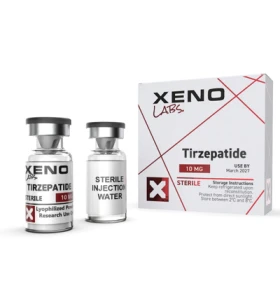
TIRZEPATIDE 10 MG Xeno Labs US
What Is This Dual-Action Research Compound and What Are Its Potential Effects?
Important Disclaimer: This article is prepared solely for general informational and scientific review purposes. TIRZEPATIDE 10 MG Xeno Labs USA is discussed here from the perspective of a "research compound." It does not contain definitive medical advice or guarantee any treatment outcomes. It is absolutely crucial to conduct your own detailed research and consult a specialized doctor or healthcare professional before considering the use of any compound or supplement.
What is TIRZEPATIDE 10 MG Xeno Labs USA?
TIRZEPATIDE 10 MG Xeno Labs USA is an innovative research agent frequently highlighted in scientific studies, particularly concerning Type 2 diabetes management and weight control. The most notable feature of this compound is its "dual agonist" mechanism, which suggests it may function as both a GLP-1 and a glucagon receptor agonist. Researchers are investigating how this combined action might support blood sugar control while simultaneously aiding in a significant weight loss process.
For profiles struggling to achieve desired blood sugar targets with current methods, its once-weekly administration format is thought to potentially increase routine adherence.
Potential Mechanism of Action and Researched Benefits
Studies conducted on Tirzepatide focus on the following mechanisms regarding how this compound might optimize metabolic functions and help control appetite:
-
Glycemic Control: Observations suggest it may encourage insulin secretion in response to high blood glucose levels while potentially inhibiting glucagon release. This dual response is hypothesized to help improve post-meal blood sugar balance.
-
HbA1c Reduction: In various clinical trials, researchers have reported that it may provide potential and significant reductions in hemoglobin A1c (HbA1c) values among Type 2 diabetes profiles.
-
Weight Management: It is thought that it may increase the feeling of fullness (satiety) by potentially slowing down the gastric emptying process. Given the critical role of weight loss in managing Type 2 diabetes, this specific feature is stated to carry significant potential.
-
Treatment Adherence: Being designed for administration just once a week is seen as a major advantage that could allow patients to more easily stick to their treatment protocols (compliance).
Technical Specifications
The table below outlines the general specifications of this research product:
| Feature | Description |
| Active Ingredient | Tirzepatide |
| Form | Injectable Liquid (Research Form) |
| Concentration | 10 mg / Vial |
| Package Content | 1 Vial |
| Research Classification | GLP-1 and Glucagon Receptor Agonist |
| Projected Administration Frequency | Once a week |
In Which Profiles Is TIRZEPATIDE 10 MG Xeno Labs USA Being Studied?
As an anti-diabetic research compound, the use of this product must always be under the supervision and evaluation of a physician. Research primarily focuses on the following potential candidate profiles:
-
Type 2 Diabetes Research: Individuals who have difficulty reaching blood sugar goals through diet and exercise or traditional oral/insulin therapies.
-
Overweight or Obese Diabetics: Due to its potential to support the weight loss process, it is primarily investigated in Type 2 diabetes cases accompanied by excess weight.
-
Those Adaptable to Regular Monitoring: Profiles who can consistently maintain the required weekly injection routine without interruption.
Critical Warnings and Contraindications
As with any potent compound, there are risk groups in Tirzepatide research that require careful consideration. The situation of individuals who have experienced severe side effects in the past must be meticulously evaluated. It is emphasized that individuals with the following risk factors should generally avoid this compound or remain under very strict medical supervision:
-
Pancreatitis: Those with a history of pancreatitis (inflammation of the pancreas) or similar severe reactions.
-
Thyroid Tumors: Those with a personal or family history of thyroid tumors.
Possible Side Effects
Research indicates that some side effects may occur during the use of Tirzepatide, though they are generally reported to be mild and the body may adapt to them over time:
-
Gastrointestinal: Nausea, diarrhea.
-
Appetite Status: Loss of appetite or a decreased desire to eat.
Frequently Asked Questions (FAQ)
1. Is Tirzepatide primarily researched for blood sugar control or weight loss?
Tirzepatide is essentially a compound researched for the treatment of Type 2 Diabetes. However, it stands out for its potential to target both conditions simultaneously. It is evaluated as a "dual-action" option because it may help improve blood sugar control (HbA1c) while also supporting fat burning and weight loss.
2. What is the frequency of administration for Tirzepatide?
Research protocols generally indicate that it is applied once a week. This low frequency, compared to daily applications, is thought to provide a major advantage in terms of treatment continuity and patient adherence.
3. What is the significance of it being a "Dual Agonist"?
This refers to the compound's potential to exert effects on both GLP-1 and glucagon receptors. The prevailing hypothesis is that this combined stimulation may create a more comprehensive metabolic effect in the body: the GLP-1 component supporting insulin and satiety, while the glucagon component is expected to provide additional benefits for glycemic control.
4. Can people without Type 2 diabetes use Tirzepatide solely for weight loss?
Current information indicates that Tirzepatide is an anti-diabetic research product formulated primarily for individuals diagnosed with Type 2 diabetes. The prospect of using it solely for weight loss must be specifically evaluated by your doctor and decided upon only with professional medical guidance.

TIRZEPATIDE 10 mg USA
An Overview of Its Potential as a Dual-Action Research Compound
Important Disclaimer: The information provided in this article is intended strictly for general informational and scientific review purposes. TIRZEPATIDE 10 mg is discussed here exclusively from the perspective of a "research compound." This text does not constitute medical advice, nor does it guarantee any specific health outcomes. It is vital to conduct your own comprehensive research and consult with a qualified medical professional or endocrinologist before considering the use of any investigational supplement or compound.
What is TIRZEPATIDE 10 mg?
TIRZEPATIDE 10 mg is an innovative research agent currently at the forefront of scientific studies, particularly regarding Type 2 diabetes management and metabolic weight control. In research settings, it is classified and investigated as a potential GLP-1 and glucagon receptor agonist.
Because of this unique dual-action mechanism, researchers are exploring its potential to simultaneously support blood sugar regulation and facilitate the weight loss process.
Potential Mechanism of Action
Overall, studies into the mechanism of action of Tirzepatide focus on how it might optimize metabolic responses. Current research highlights the following potential pathways:
-
Insulin and Glucagon Modulation: Observations suggest that it may enhance insulin secretion from pancreatic beta cells in response to high blood glucose levels, while concurrently inhibiting the excess secretion of glucagon. This combined effect is theorized to lead to improved post-meal blood glucose control.
-
Gastric Emptying and Satiety: It is believed to slow down the rate of gastric emptying, which may enhance the feeling of fullness (satiety). This mechanism is often cited as the primary driver for its potential to induce weight loss by naturally reducing caloric intake.
-
Clinical Observations: In various clinical trials, researchers have noted that subjects using Tirzepatide exhibited significant potential reductions in hemoglobin A1c (HbA1c) alongside notable weight loss.
Furthermore, because investigational protocols typically require it to be injected only once a week, it is hypothesized that this compound could lead to better long-term compliance compared to daily therapies. While potential side effects such as nausea, diarrhea, and loss of appetite have been noted, research indicates that these effects are often mild and may lessen as the body adapts over the course of the protocol.
Target Profiles in Current Research: Who Might It Be Suitable For?
As an anti-diabetic research medication, Tirzepatide is generally investigated under strict criteria, primarily focusing on individuals diagnosed with Type 2 diabetes. Its potential use in research is typically conditional based on several profiles:
-
Type 2 Diabetes Research: It is considered a potential option for individuals with Type 2 diabetes who are not reaching their blood sugar goals, particularly when diet, exercise, oral antidiabetic drugs, or standard insulin therapies have proven insufficient.
-
Overweight or Obese Diabetics: Because it may aid significantly with weight loss, it is often highlighted as a compound of choice for research involving overweight or obese Type 2 diabetics. Weight management is a critical component of diabetes care, making these potential additional attributes highly significant.
-
Subjects Unresponsive to Current Medications: Tirzepatide is being explored as a new treatment alternative for patients who cannot achieve their glycemic targets on first-line therapies (such as metformin) or who are unable to tolerate standard agents.
-
Those Adaptable to Injection Therapy: As a once-weekly injection, it fits well for profiles who are adherent to shot therapy protocols. While some individuals may prefer oral compounds, the weekly administration frequency of Tirzepatide is widely accepted in study environments.
Critical Cautions and Contraindications
Even within research settings, caution must be applied. The side effects of Tirzepatide (such as gastrointestinal upset and reduced appetite) require monitoring. More importantly, extreme care must be taken regarding individuals with a history of severe conditions.
Research protocols typically require that subjects with the following risk factors undergo rigorous physician evaluation or be excluded entirely:
-
Pancreatitis: A personal history of severe pancreatic inflammation.
-
Thyroid Tumors: A personal or family history of thyroid tumors.
Take-Home Message: In summary, Tirzepatide 10 mg represents an exciting new frontier in the research of Type 2 diabetes therapy. Current literature suggests it may work well by potentially improving blood sugar control while simultaneously facilitating weight loss. However, every individual's physiological response is different, and its use must always be guided and monitored by a healthcare professional.

TIRZEPATIDE 5 mg
An Overview of Its Potential as a Dual-Action Research Compound
Important Disclaimer: The information provided in this article is intended strictly for general informational and scientific review purposes. TIRZEPATIDE 5 mg is discussed here exclusively from the perspective of a "research compound." This text does not constitute medical advice, nor does it guarantee any specific health outcomes. It is vital to conduct your own comprehensive research and consult with a qualified medical professional or endocrinologist before considering the use of any investigational supplement or compound.
What is TIRZEPATIDE 5 mg?
TIRZEPATIDE 5 mg is an innovative research agent currently at the forefront of scientific studies, particularly regarding Type 2 diabetes management and metabolic weight control. In research settings, it is classified and investigated as a potential GLP-1 and glucagon receptor agonist.
Because of this unique dual-action mechanism, researchers are exploring its potential to simultaneously support blood sugar regulation and facilitate the weight loss process.
Potential Mechanism of Action
Overall, studies into the mechanism of action of Tirzepatide focus on how it might optimize metabolic responses. Current research highlights the following potential pathways:
-
Insulin and Glucagon Modulation: Observations suggest that it may enhance insulin secretion from pancreatic beta cells in response to high blood glucose levels, while concurrently inhibiting the excess secretion of glucagon. This combined effect is theorized to lead to improved post-meal blood glucose control.
-
Gastric Emptying and Satiety: It is believed to slow down the rate of gastric emptying, which may enhance the feeling of fullness (satiety). This mechanism is often cited as the primary driver for its potential to induce weight loss by naturally reducing caloric intake.
-
Clinical Observations: In various clinical trials, researchers have noted that subjects using Tirzepatide exhibited significant potential reductions in hemoglobin A1c (HbA1c) alongside notable weight loss.
Furthermore, because investigational protocols typically require it to be injected only once a week, it is hypothesized that this compound could lead to better long-term compliance compared to daily therapies. While potential side effects such as nausea, diarrhea, and loss of appetite have been noted, research indicates that these effects are often mild and may lessen as the body adapts over the course of the protocol.
Target Profiles in Current Research: Who Might It Be Suitable For?
As an anti-diabetic research medication, Tirzepatide is generally investigated under strict criteria, primarily focusing on individuals diagnosed with Type 2 diabetes. Its potential use in research is typically conditional based on several profiles:
-
Type 2 Diabetes Research: It is considered a potential option for individuals with Type 2 diabetes who are not reaching their blood sugar goals, particularly when diet, exercise, oral antidiabetic drugs, or standard insulin therapies have proven insufficient.
-
Overweight or Obese Diabetics: Because it may aid significantly with weight loss, it is often highlighted as a compound of choice for research involving overweight or obese Type 2 diabetics. Weight management is a critical component of diabetes care, making these potential additional attributes highly significant.
-
Subjects Unresponsive to Current Medications: Tirzepatide is being explored as a new treatment alternative for patients who cannot achieve their glycemic targets on first-line therapies (such as metformin) or who are unable to tolerate standard agents.
-
Those Adaptable to Injection Therapy: As a once-weekly injection, it fits well for profiles who are adherent to shot therapy protocols. While some individuals may prefer oral compounds, the weekly administration frequency of Tirzepatide is widely accepted in study environments.
Critical Cautions and Contraindications
Even within research settings, caution must be applied. The side effects of Tirzepatide (such as gastrointestinal upset and reduced appetite) require monitoring. More importantly, extreme care must be taken regarding individuals with a history of severe conditions.
Research protocols typically require that subjects with the following risk factors undergo rigorous physician evaluation or be excluded entirely:
-
Pancreatitis: A personal history of severe pancreatic inflammation.
-
Thyroid Tumors: A personal or family history of thyroid tumors.
Take-Home Message: In summary, Tirzepatide 5 mg represents an exciting new frontier in the research of Type 2 diabetes therapy. Current literature suggests it may work well by potentially improving blood sugar control while simultaneously facilitating weight loss. However, every individual's physiological response is different, and its use must always be guided and monitored by a healthcare professional.
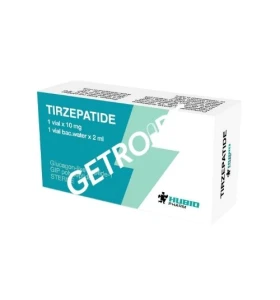
TIRZEPATIDE 10 MG Hubio Pharm USA
What Is It, How Might It Work, and Who Is It Being Researched For?
Important Disclaimer: The information provided in this article is for general informational and research purposes only. TIRZEPATIDE 10 MG Hubio Pharm USA is discussed here strictly as a research compound. It is highly recommended that you conduct your own thorough research and consult with a doctor, endocrinologist, or qualified healthcare professional before considering the use of any supplement, compound, or medication.
What is TIRZEPATIDE 10 MG Hubio Pharm USA?
TIRZEPATIDE 10 MG Hubio Pharm USA is an innovative compound currently at the center of scientific research, particularly in the fields of Type 2 diabetes management and weight control. It is generally believed to function as a dual GLP-1 and glucagon receptor agonist. This dual-action structure is thought to potentially help balance blood sugar levels while simultaneously supporting weight loss processes.
Potential Mechanism of Action
Scientific studies on tirzepatide point to several potential mechanisms regarding how this compound might work in the human body:
-
Insulin Release and Glucagon Balance: It has been observed in research that it may increase insulin secretion from pancreatic beta cells in response to high blood glucose levels, while also potentially suppressing the secretion of glucagon. This combined mechanism is thought to help improve post-meal blood glucose control.
-
Satiety and Weight Management: Due to its potential to slow down gastric emptying, it might create a longer-lasting feeling of fullness (satiety). It is suggested that this reduced appetite could help decrease daily calorie intake, thereby potentially assisting in fat burning and overall weight loss.
-
Clinical Observations: In various clinical trials, researchers have reported that tirzepatide may lead to significant reductions in both hemoglobin A1c (HbA1c) levels and body weight among subjects with Type 2 diabetes.
The fact that it is being researched as a once-weekly injection is considered a feature that might improve patient adherence compared to daily therapies. However, studies also report that possible side effects—such as mild nausea, diarrhea, or loss of appetite—may occur, though these effects are often noted to lessen over time as the body adapts.
In What Contexts is TIRZEPATIDE 10 MG Hubio Pharm USA Being Studied?
As an anti-diabetic research compound, TIRZEPATIDE 10 MG Hubio Pharm USA is generally investigated in subject profiles experiencing difficulties with traditional Type 2 diabetes management. Its potential applicability is often evaluated based on the following criteria:
-
Type 2 Diabetes Research: It is thought that it could serve as a new alternative for individuals with Type 2 diabetes who cannot reach their glycemic goals despite strict diet and exercise, or who cannot achieve adequate control using standard oral diabetic medications or insulin therapy.
-
Weight Control Support: Due to its potential to support weight loss, it might emerge as a notable option for overweight or obese individuals dealing with Type 2 diabetes. Considering the well-documented positive effects of weight management on Type 2 diabetes, this dual-action profile is believed to be highly significant.
-
Individuals Unresponsive to Current Treatments: It holds the potential to offer an innovative solution for patients who cannot achieve desired blood sugar levels with first-line treatments (such as metformin) or who cannot tolerate the side effects of those standard agents.
-
Adherence to Injection Therapy: Because it requires weekly administration, it could be a practical alternative for individuals who prefer establishing a simple weekly routine over managing a daily pill schedule.
Possible Risks and Contraindications
As with any research compound, TIRZEPATIDE 10 MG Hubio Pharm USA carries potential risks that require careful consideration. Alongside potential gastrointestinal side effects like nausea or reduced appetite, individuals with a personal or family history of severe conditions—such as pancreatitis or thyroid tumors—should generally avoid this compound or only be considered under very strict medical supervision.
In Summary: TIRZEPATIDE 10 MG Hubio Pharm USA is a promising and exciting research product in the landscape of Type 2 diabetes and metabolic weight management. It is suggested that it may assist in fat burning while supporting better blood sugar control. However, every individual's metabolism and medical history are unique. To determine if this research product might be appropriate for your specific health situation, please conduct your own detailed research and consult a licensed medical professional.

TIRZEPATIDE 5 mg Deus Medical
Exploring the Potential of a Dual-Action Research Peptide
Important Disclaimer: The information provided in this article is strictly for general informational and scientific review purposes. TIRZEPATIDE 5 Deus Medical is discussed here solely as a "research compound." This text does not provide definitive medical advice, dosage instructions, or guarantees of results. Always conduct your own comprehensive research and consult with a licensed healthcare professional or endocrinologist before considering the use of any peptide or research compound.
What is TIRZEPATIDE 5 Deus Medical?
TIRZEPATIDE 5 Deus Medical is a cutting-edge compound currently being investigated as a metabolic modulator. In scientific literature, it is recognized as a first-in-class dual agonist, meaning it is designed to target two separate pathways simultaneously: the GLP-1 (Glucagon-like Peptide-1) and GIP (Glucose-dependent Insulinotropic Polypeptide) receptors.
Provided in a 5 mg lyophilized (freeze-dried) vial, researchers are studying this compound to see if mimicking these two natural metabolic hormones can offer a "double-barrel" approach to supporting weight management and Type 2 Diabetes research. It is hypothesized that this dual action may suppress appetite, help stabilize blood sugar, and potentially support fat loss processes more efficiently than earlier single-receptor peptides.
Potential Core Benefits & Mechanism of Action
Research into Tirzepatide’s mechanism of action focuses on how it might optimize metabolic function and appetite control. The primary areas of investigation include:
-
Potential for Enhanced Satiety: It is believed that the compound may act on the brain’s hunger centers to increase the feeling of fullness. Researchers suggest this might significantly reduce daily caloric intake without the intense mental strain often associated with traditional dieting.
-
Dual Hormone Signaling: By targeting both GIP and GLP-1 receptors, studies are exploring whether it improves how the body metabolizes sugar and stores fat. This dual action is being compared to GLP-1-only compounds (like Semaglutide) to observe if it yields superior weight management results.
-
Blood Sugar Regulation: It is hypothesized to stimulate insulin secretion specifically when blood glucose levels are high, while inhibiting excess glucagon release. This mechanism is thought to help maintain stable glucose levels throughout the day.
-
Delayed Gastric Emptying: Observations indicate it may slow the rate at which food leaves the stomach, potentially keeping test subjects feeling satisfied for longer periods post-meal.
-
Investigational Weekly Dosing: Due to an extended half-life observed in studies, the compound is typically researched using a once-weekly subcutaneous administration schedule, which is believed to improve overall adherence to the protocol.
Technical Research Specifications
| Feature | Research Specification |
| Manufacturer | Deus Medical |
| Active Substance | Tirzepatide |
| Concentration | 5 mg per Vial |
| Format | Lyophilized Powder (Requires Reconstitution) |
| Classification | GLP-1 and GIP Receptor Agonist |
| Primary Research Focus | Metabolic Weight Management & Glycemic Control |
Observed Research Protocols & Reconstitution
Note: The following metrics reflect standard protocols observed in clinical research settings and should not be taken as medical advice.
In research environments, Tirzepatide is typically introduced on a titration schedule to allow the metabolism time to adjust to hormonal shifts.
-
Standard Starting Protocol: 2.5 mg per week (observed for the first 4 weeks of studies).
-
Maintenance Protocol: Up to 5 mg per week (as tolerated by the subject).
-
Frequency: Once weekly (administered on the same day each week).
-
Administration Method: Subcutaneous (Sub-Q) application.
Reconstitution Observations: Researchers typically prepare the 5 mg lyophilized powder by adding 1 ml or 2 ml of Bacteriostatic Water to the vial.
-
Example: If reconstituted with 1 ml of water, a 2.5 mg research dose corresponds to exactly 50 units on a standard U-100 syringe. The full vial (100 units) would equal the 5 mg dose.
Possible Side Effects & Precautions
Studies note that side effects are generally gastrointestinal and tend to occur most frequently during the initial adaptation weeks:
-
Gastrointestinal Responses: Nausea and diarrhea are the most commonly reported effects as the digestive system's pace slows down.
-
Appetite Reduction: While this is a primary focus of the research, the loss of appetite can be profound. In studies, prioritizing protein intake is often emphasized to help maintain lean muscle mass.
-
Hydration Needs: Because reduced food intake often leads to a decrease in fluid consumption, maintaining adequate hydration is considered critical during research protocols.
-
Critical Precautions: Subjects with a personal or family history of pancreatitis or thyroid issues are typically excluded from these studies or monitored under extremely strict medical supervision.
Frequently Asked Questions (FAQ)
1. How is Tirzepatide theorized to differ from Semaglutide?
While Semaglutide focuses solely on targeting the GLP-1 receptor, Tirzepatide is designed to target both GLP-1 and GIP receptors. Preliminary clinical data suggests that the addition of the GIP mechanism might allow for a broader metabolic impact, potentially leading to enhanced weight loss and better blood sugar stabilization.
2. Is Tirzepatide being researched for weight loss in non-diabetic subjects?
Yes. Although originally developed and studied for Type 2 Diabetes, it is being heavily researched (and widely discussed off-label) for chronic weight management in overweight or obese individuals, largely due to its potent potential for appetite suppression.
3. Does this compound require a specific diet during research?
Observations suggest that Tirzepatide might make adhering to a calorie deficit easier by reducing hunger cues. However, researchers generally note that for optimal body composition results, the protocol should be paired with a high-protein diet and resistance training to encourage the body to target fat stores rather than muscle tissue.
4. How long does a 5 mg vial last in standard research protocols?
Based on standard study guidelines, if a subject is on the starting dose of 2.5 mg once per week, a single 5 mg vial will last for two weeks. If the subject has titrated up to the 5 mg maintenance dose once per week, the vial serves as a single weekly dose.

TIRZEPATIDE 5 mg x 10 Vials
An In-Depth Look at Its Potential as a Dual-Action Research Peptide
Important Disclaimer: The information provided in this article is strictly for general informational and scientific review purposes. The TIRZEPATIDE 5 mg x 10 Vials pack is discussed here exclusively from the perspective of an investigational "research compound." This text does not constitute definitive medical advice, nor does it guarantee specific health outcomes. Always conduct your own comprehensive research and consult with a licensed medical professional or endocrinologist before considering the use of any peptide or research compound.
What is the TIRZEPATIDE 5 mg x 10 Vials Pack?
TIRZEPATIDE (5 mg per vial, 10-vial multipack) is an innovative research agent currently at the forefront of scientific studies, particularly regarding Type 2 diabetes management and metabolic weight control. In clinical and research settings, it is investigated as a potential GLP-1 and glucagon receptor agonist.
Because of this unique dual-action mechanism, researchers are heavily exploring its potential to simultaneously support blood sugar regulation and facilitate the weight loss process. The 10-vial presentation is often utilized in longer-term study protocols to observe sustained metabolic adaptations.
Potential Mechanism of Action
Overall, studies into the mechanism of action of Tirzepatide focus on how it might optimize natural metabolic responses. Current research highlights the following potential pathways:
-
Insulin and Glucagon Modulation: Observations suggest that it may enhance insulin secretion from pancreatic beta cells in response to high blood glucose levels, while concurrently inhibiting the excess secretion of glucagon. This combined hormonal effect is theorized to lead to improved post-meal blood glucose control.
-
Gastric Emptying and Satiety: It is believed to slow down the rate of gastric emptying, which may significantly enhance the feeling of fullness (satiety). This mechanism is often cited as the primary driver for its potential to induce weight loss by naturally reducing daily caloric intake.
-
Clinical Observations: In various clinical trials, researchers have noted that subjects using Tirzepatide exhibited significant potential reductions in hemoglobin A1c (HbA1c) alongside notable decreases in overall body weight.
Furthermore, because standard investigational protocols typically require it to be administered only once a week, it is hypothesized that this compound could lead to better long-term compliance compared to daily therapies. While potential side effects such as nausea, diarrhea, and loss of appetite have been noted, research indicates that these effects are often mild and may lessen as the body adapts over the course of the research protocol.
Target Profiles in Current Research: In What Contexts Is It Studied?
As an anti-diabetic research compound, Tirzepatide is generally investigated under strict criteria, primarily focusing on individuals diagnosed with Type 2 diabetes. Its potential investigational use is typically conditional and based on several profiles:
-
Type 2 Diabetes Research: It is considered a potential option for individuals with Type 2 diabetes who are not reaching their glycemic goals, particularly when diet, exercise, oral antidiabetic drugs, or standard insulin therapies have proven insufficient.
-
Overweight or Obese Diabetics: Because it may aid significantly with weight loss, it is often highlighted as a compound of choice for research involving overweight or obese Type 2 diabetics. Since weight management is a critical component of metabolic care, these potential dual attributes are highly significant.
-
Subjects Unresponsive to Current Medications: Tirzepatide is being explored as a new treatment alternative for patients who cannot achieve their targets on first-line therapies (such as metformin) or who are unable to tolerate the side effects of standard agents.
-
Those Adaptable to Weekly Injection Therapy: As a once-weekly injection, it fits well for profiles who are adherent to shot therapy protocols. The weekly administration frequency of Tirzepatide is widely accepted in study environments and is thought to improve overall adherence.
Critical Cautions and Contraindications
Even within controlled research settings, extreme caution must be applied. The side effects of Tirzepatide (such as gastrointestinal upset and a profoundly reduced appetite) require careful monitoring. More importantly, extreme care must be taken regarding individuals with a history of severe medical conditions.
Research protocols typically require that subjects with the following risk factors undergo rigorous physician evaluation or be excluded entirely:
-
Pancreatitis: A personal history of severe pancreatic inflammation or related severe side effects.
-
Thyroid Tumors: A personal or family history of thyroid tumors or specific endocrine disorders.
Take-Home Message: In summary, Tirzepatide represents an exciting new frontier in the research of metabolic and Type 2 diabetes therapies. Current scientific literature suggests it may work effectively by potentially improving blood sugar control while simultaneously facilitating weight loss. However, every individual's physiological response is different, and its evaluation and potential use must always be guided and monitored by a qualified healthcare professional.

TIRZEROW GIP Analogue Crowx Labs USA 5 mg
Exploring the Potential of a Dual-Action Research Compound
Important Disclaimer: The information provided in this article is intended strictly for general informational and scientific review purposes. TIRZEROW GIP Analogue Crowx Labs USA 5 mg is discussed here exclusively from the perspective of an investigational "research compound." This text does not constitute definitive medical advice, nor does it guarantee specific health outcomes. Always conduct your own comprehensive research and consult with a licensed medical professional or endocrinologist before considering the use of any investigational supplement or compound.
What is TIRZEROW GIP Analogue Crowx Labs USA 5 mg?
TIRZEROW GIP Analogue Crowx Labs USA (Active Substance: Tirzepatide) is an innovative injectable research agent currently at the center of studies regarding Type 2 diabetes management and metabolic health.
Unlike traditional compounds that target a single pathway, Tirzepatide is investigated as a dual agonist. It is designed to target both the GLP-1 (glucagon-like peptide-1) and GIP (glucose-dependent insulinotropic polypeptide) receptors. Researchers are exploring how this dual effect might offer enhanced blood sugar control while potentially providing significant additional weight reduction benefits, marking it as a compelling subject in modern metabolic research.
How is TIRZEROW Hypothesized to Work in the Body?
Overall, studies into the mechanism of action focus on how this compound might optimize the body's natural metabolic responses. Current research highlights the following potential pathways:
-
Increasing Insulin Secretion: It is hypothesized to enhance the capacity of pancreatic beta cells to release insulin precisely when blood sugar levels rise.
-
Reducing Glucagon Levels: By potentially lowering glucagon secretion, it is thought to reduce the liver’s overall glucose production.
-
Delaying Gastric Emptying: Observations indicate it may slow down the rate at which the stomach empties, which helps subjects feel full for longer periods and naturally reduces caloric intake.
Target Profiles in Current Research
As a dual-action research compound, TIRZEROW 5 mg is generally investigated under strict criteria, primarily focusing on two key areas:
-
Type 2 Diabetes Research: It is heavily studied as an option for individuals with Type 2 diabetes who cannot achieve adequate blood sugar control through standard diet, exercise, or traditional oral medications.
-
Weight Management and Metabolic Benefits: Due to its potential to suppress appetite, it is frequently investigated in profiles dealing with obesity or excess weight to observe its broader impact on metabolic health.
Observations from Clinical Studies
In various clinical trials, researchers have noted that subjects utilizing Tirzepatide exhibit:
-
HbA1c Reduction: Significant potential reductions in HbA1c levels, indicating improved overall blood glucose management.
-
Impact on Weight Loss: Consistent reports of meaningful weight reduction occurring alongside better diabetes control.
Observed Investigational Protocols
In research settings, TIRZEROW 5 mg is typically evaluated under the following protocols:
-
Weekly Injection Protocol: It is generally administered once weekly via subcutaneous injection. This is thought to be significantly more convenient than daily therapies.
-
Patient Compliance: It is hypothesized that this once-weekly schedule greatly improves adherence to the protocol, a crucial factor for observing long-term metabolic adaptations.
Who Are the Ideal Subjects in Current Research?
The investigational use of this compound is typically conditional and based on several profiles:
-
Type 2 Diabetes Patients: Those unable to control blood sugar levels with standard oral medications or traditional insulin.
-
Subjects with Weight Issues: Particularly profiles where Type 2 diabetes is compounded by being overweight or obese.
-
Patients Unresponsive to Standard Therapy: Explored as an alternative for those who do not respond well to first-line agents like metformin or sulfonylureas.
-
Those Suitable for Injection Therapy: Best suited for profiles willing and able to comfortably manage a weekly injection routine.
Critical Cautions and Risk Factors
Even within controlled research settings, caution is paramount. The compound must be researched under strict medical monitoring. It is generally contraindicated for:
-
Profiles with a personal or family history of pancreatitis.
-
Profiles with a history of thyroid tumors or specific endocrine disorders.
Possible Side Effects
Research indicates that side effects may occur, though they are often observed to be mild and transient as the body adapts:
-
Common Responses: Nausea, diarrhea, and a significantly decreased appetite.
-
Rare but Serious Risks: Potential thyroid tumor risk and pancreatitis (necessitating continuous medical monitoring).
Frequently Asked Questions (FAQ)
1. Is Tirzepatide considered safe for long-term use?
Clinical trials are continuously observing its long-term safety profile with promising preliminary results. However, strict monitoring by a qualified doctor remains essential to evaluate individual ongoing responses.
2. Can Tirzepatide be combined with insulin in research protocols?
Yes, but in clinical studies, this combination is only conducted under rigorous medical supervision to carefully avoid the risk of hypoglycemia (dangerously low blood sugar).
3. How quickly does Tirzepatide show potential results?
Research observations suggest that improvements in blood sugar markers may be seen within a few weeks, while potential weight loss tends to occur progressively over a longer duration of the protocol.
4. Is Tirzepatide approved solely for weight loss without a diabetes diagnosis?
While it is primarily approved and researched for Type 2 diabetes management, ongoing studies are heavily exploring its profound potential as a dedicated treatment for obesity and chronic weight management.
5. How is TIRZEROW typically stored and administered?
According to standard research guidelines, the compound must be stored in a refrigerator to maintain stability and is administered once weekly via subcutaneous injection (under the skin).
Conclusion: A Promising Frontier in Metabolic Research
TIRZEROW GIP Analogue Crowx Labs USA 5 mg represents a revolutionary step in the ongoing research of Type 2 diabetes and metabolic therapies. Its potential to offer dual benefits—improved glycemic control combined with significant weight loss—makes it a focal point of modern endocrinology studies.
(For further authoritative data, researchers often refer to official FDA Tirzepatide Information resources).

What is Tirzepatide?
Tirzepatide is a new type 2 Diabetes medication. It acts as a GLP-1 and glucagon receptor agonist [8]. It is thus lowers blood sugar and also aids in weight loss too. Mechanism Of Action Overall, the mechanism of action of Tirzepatide is to enhance insulin secretion in response to high blood glucose levels and inhibit secretion of glucagon. As such, this stimulates insulin secretion from the pancreatic beta cells leading to improved postprandial blood glucose control. It slows down gastric emptying, enhances satiety and induces weight loss. In clinical trials, tirzepatide exhibits significant reductions in hemoglobin A1c (HbA1c) and weight loss among patients with type 2 diabetes. That aids patients in gaining better control over blood glucose and overall excess weight. This results in better compliance of the patients with their treatment, as tirzepatide has to be injected once every week. Possible side effects consist of nausea, diarrhea and loss of appetite, however these side effects are often low and lessen over the course of treatment. Take Home Message: In summary, tirzepatide is an exciting new therapy for type 2 diabetes. This drug works well for patients with type 2 diabetes as it improves blood sugar control and at the same time, facilitates weight loss.
Who Can Use Tirzepatide?
Tirzepatide is an anti-diabetic medication, hence it should generally only be prescribed to people diagnosed with type 2 diabetes. However, its use is conditional based on several limiting criteria:
-
Type 2 Diabetics: If you have type 2 diabetes and are not reaching your blood sugar goals, Tirzepatide is an option, particularly if this is the case despite diet and exercise. Such patients are generally those unable to achieve good control using oral antidiabetic drugs or insulin therapy.
-
Tirzepatide: can aid with weight loss, therefore may be the agent of choice in overweight or obese type 2 diabetics This drug is significant in management of type 2 diabetes because weight loss has been shown to be important for this condition, and so the additional attributes (if proven) are a big deal.
-
Patients not adequately controlled with current medications: Tirzepatide could provide a new treatment choice in the management of patients either not achieving their glycaemic targets on first-line therapy (e.g., metformin, among others) or unable to tolerate these agents.
-
Anyone Who Can Follow Through with Shot Therapy: Tirzepatide is a weekly injection. Thus, it fits for patients who are adherent to injection therapy. Certain patients might insist on using oral compounds, however the weekly administration frecuencia of tirzepatide is most widely accepted.
-
No Significant Side Effects or Contraindications: The side effects of tirzepatide (nausea, diarrhea, reduced appetite) You must likewise apply caution so you use it with care in individuals having history of severe side effects like pancreatitis and thyroid tumors. Thus, patients with the above-mentioned risk factors need to undergo evaluation by a physician. Formally, that means that tirzepatide is an appropriate treatment for people with type 2 diabetes if the following apply: Nonetheless, each patient needs to be assessed individually and the use of tirzepatide must be guided from the office.

ULTIMA-TIRZEPATIDE 5mg by Ultima Pharma USA
Examining the Potential of a Dual-Action Research Compound
Important Disclaimer: The information provided in this article is intended strictly for general informational and scientific review purposes. ULTIMA-TIRZEPATIDE 5mg by Ultima Pharmaceuticals is discussed here exclusively from the perspective of an investigational "research compound." This text does not constitute definitive medical advice, nor does it guarantee specific health outcomes. It is vital to conduct your own comprehensive research and consult with a licensed medical professional or endocrinologist before considering the use of any investigational supplement or compound.
What is ULTIMA-TIRZEPATIDE 5mg?
ULTIMA-TIRZEPATIDE 5mg (manufactured by Ultima Pharmaceuticals) is an innovative research agent currently at the center of ongoing scientific studies, particularly regarding Type 2 diabetes management and metabolic weight control. In clinical and research settings, it is investigated for its potential dual effect as both a GLP-1 (glucagon-like peptide-1) and glucagon receptor agonist.
Because of this unique dual-action mechanism, researchers are actively exploring its potential to simultaneously support blood sugar regulation and facilitate the weight loss process more effectively than standard, single-receptor agents.
Potential Mechanism of Action
Overall, studies into the mechanism of action of Tirzepatide focus on how it might optimize natural metabolic responses. Current research highlights the following potential pathways:
-
Insulin and Glucagon Modulation: The core mechanism is hypothesized to increase insulin secretion while concurrently decreasing glucagon secretion. This is thought to stimulate the insulin-producing beta cells of the pancreas, potentially allowing for better regulation of blood sugar after meals.
-
Gastric Emptying and Satiety: Observations indicate it may delay stomach emptying, which can significantly increase the feeling of fullness (satiety). This mechanism is often cited as a primary driver for its potential to naturally promote weight loss by reducing caloric intake.
-
Clinical Observations: In various clinical studies, researchers have noted that Tirzepatide may be significantly effective in lowering hemoglobin A1c (HbA1c) levels alongside notable decreases in overall body weight. This dual benefit suggests it could be a highly effective option for subjects needing to improve blood sugar control while managing excess weight.
Furthermore, because standard investigational protocols typically require it to be administered as a weekly subcutaneous injection, it is hypothesized that this compound could increase long-term patient compliance. While potential side effects such as nausea, diarrhea, and decreased appetite have been noted, research indicates that these effects are usually mild and tend to decrease over the course of the protocol as the body adapts.
Target Profiles in Current Research: Who is it Studied For?
As an anti-diabetic research compound, Ultima-Tirzepatide is generally investigated under strict criteria, primarily focusing on individuals diagnosed with Type 2 diabetes. Its potential investigational use depends on certain criteria and conditions:
-
Type 2 Diabetes Research: It is considered a potential recommendation for individuals with Type 2 diabetes who cannot achieve adequate glycemic control, especially when diet and exercise alone have proven insufficient. These profiles are usually those who cannot achieve adequate control with oral antidiabetic drugs or standard insulin therapy.
-
Subjects with Weight Management Needs: The potential weight loss-promoting effect of Tirzepatide makes it an option of high interest for overweight or obese Type 2 diabetics. Because weight loss is an important factor in metabolic management, this compound may provide crucial additional benefits in this regard.
-
Patients Unresponsive to Current Treatments: Tirzepatide is being explored as an alternative treatment option for patients who do not respond to first-line treatments (such as metformin) or who are intolerant to the side effects of these traditional drugs.
-
Those Adaptable to Injection Therapy: Tirzepatide is investigated as a weekly injection protocol. Therefore, it is highly suitable for profiles who can easily comply with injection therapy. While some individuals may prefer oral medications, the once-weekly application frequency is generally observed to be well-tolerated and convenient.
-
Profiles Without Serious Contraindications: While Tirzepatide can cause gastrointestinal side effects, it should be researched with extreme caution in patients with a history of serious medical conditions, such as pancreatitis or thyroid tumors. Therefore, rigorous physician evaluation is absolutely necessary for patients exhibiting such risk factors.
In Conclusion: ULTIMA-TIRZEPATIDE stands out as a promising new frontier in the research of Type 2 diabetes therapies. Its potential to simultaneously improve blood sugar control and promote significant weight loss makes it a highly compelling subject of ongoing scientific evaluation and metabolic research.