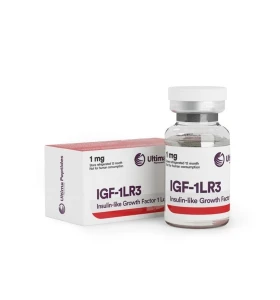
IGF-1 Category Products
IGF-1 is a hormone that our body releases into cells,it provides indicators for GH signaling. IGF-1 is excreted by the liver, it is produced in tissues (muscle cells). It acts in communication to the effects of GH, such as growth and development mainly during childhood.
As the result, it becomes a courage drug that is actively promotes bone and tissue growth for youth but also one of your most important muscle is drug fat metabolism, aging scaling down all other cell fixes life effects.
What is IGF-1?
This hormone is incredibly celebrated in the fitness and bodybuilding spaces for its alleged impact on muscle growth, fat loss, and recovery.They have also been studying IGF-1 for its role in the regeneration of cells, better metabolism profiles and optimal brain health. However, like any other hormone it is a very fine balancing act and too little or to much both can lead to health issues.
How Does IGF-1 Work?
IGF-1 is stimulated by growth hormone, which signals it to the liver and other tissues. IGF-1 then travels through the bloodstream where it binds to IGF binding proteins as well as specific receptors on cells in various tissues and organs, producing a host of cellular responses which induce growth and repair by stimulating anabolism.
IGF-1 Breakdown
Helps With Cell Growth And Division: IGF-1 binds to recepters on a variety of cells - including, muscle and cartilage as well bone. This binding actually turns on pathways in the cell that cause an increase in cellular growth, protein synthesis (and thus cellular division) and tissue development and repair.
Growth muscle: IGF-1 supports protein synthesis in muscles and boosts the creation of new proteins, which would increase hypertrophy (the size) aspect of individual's muscular. It also accelerates the formation of new muscle fibers, which is a great boon for athletes and body builders who wish to add bulk mass.
Fat Loss Support: IGF-1 promotes the burning of body fat (lipolysis) and hampers new fat cell production This makes it valuable for helping to improve body composition and lose fat thus.
Better Recovery and Healing : IGF-1 promotes the healing of tissues—such as muscles, tendons, and ligaments—that has been worn down by exercise or injury. As you may know, this means that its crucial to getting back faster and better in the game.
Promotes Bone Growth: IGF-1 aids bone density and growth. Osteo- (bone) -blast-stimulation, which can be especially helpful for folks with osteoporosis or just wanting to keep ahead of bone health as they get older.
Benefits of IGF-1
1. Increased Muscle Growth
Insulin+IGF-1 is powerful anabolic hormone that increase protein synthesis and promote muscle cell proliferation for growth + repair. IGF-1 is coveted by athletes and bodybuilders for its capacity to increase lean muscle mass, strength as well as recovery from intense workouts.
2. Enhanced Fat Metabolism
Lipolysis, or the process of breaking down stored fat will become stimulated by IGF-1 and inhibit total new cell accumulation. This hormone has the additional effect of increasing insulin sensitivity, which is associated with a better ability to use glucose in general – thereby potentially also making it easier for an individual to lose fat and stay metabolically healthy.
3. Improved Recovery and Healing
Accelerated Recovery The salient property of IGF-1 is its ability to speed up recovery from injuries, surgery or heavy workout. IGF-1 therefore has powerful healing properties when it comes to tissues repairing themselves (muscles, tendons and ligaments)and reducing inflammation(which can actually increase your body mass).
4. Bone Health and Density
This is an important function of IGF-1, helping to protect our bones from becoming weakened or diseased in conditions including osteoporosis. It improves osteoblast — bone-building activity, leading to healthier and stronger bones thus preventing fractures.
5. Cognitive health and neuroprotection
New research even shows that high IGF-1 might be an added bonus for supporting brain health since it helps produce new neurons (neurogenesis) and fight neurodegenerative diseases like Alzheimer's! High levels of IGF-1 might support better mental function during aging, and guard against age-associated cognitive decline.
Side Effects & Dangers of IGF-1
Complications in IGF-1 levels are caused by overuse or imbalances.
JM : When IGF-1 levels are too high, joint pain, muscle aches and even stiffness can result. Symptoms can be made worse by tissue growing more quickly and piling pressure on joints.
Water Retention: IGF-1 can also cause a small bit of water retention which could present as bloating/ puffy_INCREF Oftentimes, this side effect is short-lived but it can be quite uncomfortable for some individuals.
Carpal Tunnel Syndrome: Like other hormones that stimulate growth and cell reproduction, IGF-1 can hurt to a slight extent or become swollen in the hands as well as wrists due to Carpal tunnel syndrome.
Hypoglycemia: While IGF-1 can increase insulin sensitivity, improper use may result in hypoglycemia(low blood sugar), especially among individuals with underlying insuline resistance or diabates.
FAQs
1. How is IGF-1 administered?
It is most commonly available as an injectable, either subcutaneous or intramuscular. Dosage should be taken as due, following directions schedule and manner of intakes or application to avoid any potential side effects.
2. Can IGF-1 help with aging?
Definitely, IGF-1 is widely used in anti-aging treatments to boost muscle mass, reduce fat and counteract tissue repair. Still, it is important to weigh its advantages with risks such as cancer development countered in aged individuals.
3. Is IGF-1 safe for athletes?
One of the benefits of IGF-1 is that many athletes highly covet Its performance enhancing properties, which also causes it to be banned from use among all sporting leagues. As a disclaimer to all athletes, especially hockey players, it is of great importance that one becomes cognizant of their sport regulations in regards IGF-1 prior to using such treatment.
Conclusion
As a pre-key point, IGF-1 is one of if not the most potent hormone in terms of improving muscle growth and fat metabolism as well as recovery and bone health. Both of these characteristics are hallmarks for athletic and anti-aging therapies helped by the capabilities of promoting tissue repair, making it a versatile protocol to incorporate.
But because increased IGF-1 levels come with risks, primarily in terms of potential to stimulate cancer growth we do need to use it cautiously. Because of the potential for IGF-1 to improve health or performance, anyone who seriously wants to maximize benefits will work with a healthcare professional willing and able to monitor their IGF-1 levels safely.


IGF-1 DES 1 Deus Medical
Active Component: Insulin-like Growth Factor 1 $\text{DES }1\text{-}3$ (IGF-1 DES)
Manufacturer: Deus Medical
Pack: 1 Vial x 1 mg
What Is IGF-1 DES?
IGF-1 DES is a shortened, highly potent variant of the natural Insulin-like Growth Factor 1 (IGF-1) hormone.1 IGF-1, or Somatomedin C, is a key growth factor primarily secreted by the liver upon stimulation by Growth Hormone ($\text{GH}$) and is central to anabolic activity in adults.
The $\text{DES }1\text{-}3$ modification means the first three amino acids of the full $70$-amino acid IGF-1 chain (the C peptide is composed of $12$ amino acids) have been cleaved. This modification gives IGF-1 DES two crucial advantages:
-
Increased Potency: IGF-1 DES is significantly more potent than standard IGF-1.2
-
Reduced Binding: It has a reduced affinity for Insulin-like Growth Factor Binding Proteins ($\text{IGFBPs}$) in the bloodstream, allowing it to act more readily at the target tissue site.
Core Performance Benefits
-
Localized Anabolism: IGF-1 DES is highly favored for localized muscle growth.3 Its reduced $\text{IGFBP}$ binding means it survives longer at the injection site, driving protein synthesis and inhibiting protein degradation directly in the targeted muscle.
-
Rapid Recovery: IGF-1 enhances recovery time after intense workouts, promoting tissue repair of bone, cartilage, skeletal muscle, and nerve cells.4
-
Fat Metabolism: It impacts fat cells, enabling fat breakdown, which contributes to a decrease in body fat and maintenance of lean body mass.
-
Energy and Wellness: Elevated IGF-1 levels enhance overall energy during exercise and contribute to general health and well-being.
Administration and Dosage Protocols
IGF-1 DES is typically administered via injection, often aiming for the muscle being trained.
-
Route: Can be injected subcutaneously into the fatty tissue (e.g., abdomen) or used via intramuscular injection (5$\text{IM}$) into the targeted muscle group for localized effects.6
-
Recommended Dosage (Men): $40 \text{ mcg}$ - $50 \text{ mcg}$ daily.
-
Recommended Dosage (Women): $10 \text{ mcg}$ - $20 \text{ mcg}$ daily.
-
Frequency: Injections are not to be taken more than twice a day.
-
Cycle Duration: A typical IGF-1 cycle is 2 to 12 weeks.
Side Effects and Management Essentials
Side effects are similar to full growth hormone but can be exacerbated by the component's potency.
-
Hypoglycemia: IGF-1 significantly reduces blood glucose, which can lead to hypoglycemia (low blood sugar). Users must consume adequate carbohydrates around the dosing time.7
-
Excessive Growth: Potential harm to joints, heart, and excessive body growth (acromegaly) are risks associated with long-term, high-dose use.
-
Cancer Risk: Researchers have linked elevated, chronic IGF-1 levels with potential increased risk for cancers (lung, breast, colorectal, and prostate).8
Frequently Asked Questions (FAQs)
1. What is the main advantage of IGF-1 DES over standard IGF-1?
The main advantage is potency and localized action. By cleaving the first three amino acids, IGF-1 DES is more potent and, critically, has a much lower affinity for $\text{IGFBP}$s.9 This means it remains active for a longer time at the injection site, driving $\text{IM}$ growth and repair more effectively than standard IGF-1.
2. Should IGF-1 DES be injected into the abdomen or the muscle?
IGF-1 DES is highly effective for localized growth.10 Therefore, it is often injected intramuscularly (11$\text{IM}$) into the specific muscle group that the user is seeking to grow or recover (e.g., into the biceps on arm day) to maximize site-specific hypertrophy.12 Subcutaneous injection is used for systemic effects.
3. Does IGF-1 DES require Post Cycle Therapy (PCT)?
No. IGF-1 DES is a growth factor peptide and does not suppress the body's natural production of testosterone or other sex hormones. Therefore, standard $\text{PCT}$ protocols using SERMs (like Nolvadex) are not required after an IGF-1 DES cycle.
4. What is the most critical side effect to manage during an IGF-1 DES cycle?
The most critical side effect to manage is hypoglycemia (low blood sugar). IGF-1 is structurally similar to insulin and has potent glucose-lowering effects.13 Users must ensure they consume adequate carbohydrates and monitor their blood sugar levels, especially around the time of injection, to prevent dangerous drops in blood sugar.14

IGF-1 LR3 | 1 mg - XT Labs (USA Domestic)
IGF-1 LR3 (Insulin-Like Growth Factor 1 Long R3) by XT Labs is a highly potent, modified version of natural IGF-1.1 The "LR3" modification extends the half-life of the peptide to approximately 20–30 hours (compared to the 20-minute half-life of standard IGF-1).2 This long-acting version prevents the peptide from being deactivated by binding proteins, allowing it to remain active and promote cellular growth throughout the day.
This USA Domestic kit from XT Labs includes 1 vial of 1 mg (1,000 mcg) and a dedicated vial of Bacteriostatic Water for reconstitution.
Key Performance & Bodybuilding Benefits
-
Muscle Hyperplasia: Known for its unique ability to cause hyperplasia—the literal splitting and creation of new muscle cells—rather than just making existing cells larger (hypertrophy).
-
Superior Nutrient Partitioning: Directs glucose and amino acids into muscle tissue instead of fat stores, facilitating a "lean bulk" or body recomposition.
-
Accelerated Recovery: Significantly reduces downtime between sessions by repairing muscle tissue, tendons, and ligaments at a cellular level.
-
Enhanced Protein Synthesis: Increases the body's efficiency in utilizing dietary protein to build new muscle mass.3
-
Neuroprotective Effects: Supports nerve cell regeneration and overall connectivity between the brain and muscle fibers.
Product Specifications
| Feature | Details |
| Active Substance | Insulin-Like Growth Factor 1 Long R3 |
| Manufacturer | XT Labs |
| Total Content | 1 mg (1,000 mcg) per vial |
| Kit Includes | 1 Vial Peptide + 1 Vial Bacteriostatic Water |
| Form | Lyophilized (Freeze-dried) Powder |
| Storage | Refrigerated (2°C - 8°C) |
Administration & Dosage Protocol
-
Recommended Dosage: 20 mcg to 50 mcg per day.
-
Timing: For best results, it is typically administered post-workout or in the morning.
-
Cycle Length: 4–6 weeks of consistent use, followed by a break of at least 4 weeks to prevent receptor desensitization.4
-
Method: Subcutaneous or intramuscular injection.5
Reconstitution & Handling
-
Preparation: Add 1 ml or 2 ml of the included Bacteriostatic Water to the 1 mg vial.
-
Mixing: Let the water run down the side of the glass. Do not shake. Gently swirl until the powder is fully dissolved.
-
Stability: Reconstituted vials must be refrigerated and are best used within 14–20 days.
Safety & Contraindications
-
Hypoglycemia Risk: IGF-1 LR3 can lower blood sugar levels.6 Always have a meal containing carbohydrates shortly after administration.
-
Cell Proliferation: Because it encourages cell growth, it should not be used by individuals with a history of cancer or tumors.
-
Consultation: Not for individuals under 21, pregnant/breastfeeding women, or those with existing hormonal disorders.

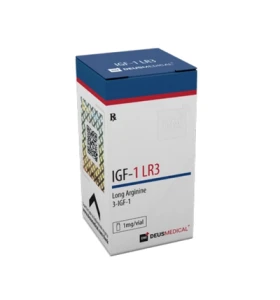
IGF-1 LR3 | 1 mg - Deus Medical
IGF-1 LR3 (Long R3 Insulin-like Growth Factor 1) is a synthetic, long-acting analog of the naturally occurring human IGF-1 peptide.1 It is modified to have an extended half-life and greater systemic effect compared to standard IGF-1.2
The LR3 modification prevents the peptide from binding strongly to the majority of its plasma binding proteins (IGFBPs).3 This dramatically extends its activity from minutes to 20–30 hours, allowing it to circulate throughout the body for much longer, binding to receptors and stimulating powerful anabolic effects.4
Core Performance Benefits
-
Sustained Anabolic Action: Used to stimulate cell growth, muscle recovery, and fat burning over a prolonged period.5 The long half-life provides sustained anabolic signaling throughout the day.
-
Muscle Growth and Recovery: It enhances protein synthesis and inhibits protein degradation, leading to the growth of more muscle tissue and significantly faster recovery times post-workout.6
-
Fat Loss: Aids in dissolving fat deposits and improving metabolism, contributing to overall body recomposition.7
-
Hyperplasia Potential: Research suggests IGF-1 may stimulate muscle cell hyperplasia (creating new muscle fibers) rather than just hypertrophy (enlarging existing fibers), potentially offering long-term growth capacity.
Usage and Dosage Protocols
IGF-1 LR3 is typically administered infrequently due to its extended half-life.8
| Feature | Details |
| Administration | Typically administered via subcutaneous injection (fat layer). |
| Dosage | Ranges from 20 mcg to 100 mcg daily, depending on experience. |
| Timing | Due to hypoglycemia risk, dose upon waking or immediately post-workout. |
| Duration | Cycles typically last between 4 to 8 weeks. |
Side Effects and Warnings
IGF-1 LR3 is a potent growth factor; its misuse can have serious health effects, mimicking those of excessive growth hormone.
-
Hypoglycemia Risk: The most common acute side effect is low blood sugar, as IGF-1 is structurally similar to insulin. Users must consume fast-acting carbohydrates around dosing time.9
-
Excessive Growth: Abuse can lead to potential organ enlargement (acromegaly), nerve impingement (joint pain/carpal tunnel), and potential harm to the heart.10
-
Cancer Risk: Due to its ability to stimulate cell division, chronic elevation of IGF-1 is linked to a potential increase in the risk of certain cancers.11
Frequently Asked Questions (FAQs)
1. What makes the LR3 variant long-acting?
The LR3 modification reduces the peptide's affinity for binding proteins (IGFBPs) that usually neutralize IGF-1 rapidly.12 This allows it to remain active for up to 30 hours, enabling once-daily dosing.13
2. Subcutaneous or Intramuscular injection?
Subcutaneous (into the fat layer) is preferred for a systemic anabolic effect across the whole body. Intramuscular injection is more commonly associated with the IGF-1 DES variant for localized growth.
3. Does it require Post Cycle Therapy (PCT)?
No. IGF-1 LR3 is a growth factor peptide. It does not suppress the body's natural production of testosterone, so standard PCT protocols are not required.
4. Why is organ growth a risk?
As a master anabolic hormone, IGF-1 stimulates cell division in nearly all tissue types. While beneficial for muscle, abuse can cause undesirable growth in organs (like the heart) or bone structure (jaw, hands, feet).

Active Pharmaceutical Ingredient: Insulin-Like Growth Factor
Pack: 1 vial - 0.1mg
Form:Injectable


Manufacturer: Beligas Pharma
1 vial x 1 mg / 1 vial x Bacteriostatic Water
Active Substance: IGF-1LR3
What is IGF-1 LR3?
A modified, long-acting version of Insulin-like Growth Factor-1 with extended half-life for sustained results.
Key Benefits for Bodybuilding:
Muscle hyperplasia (new muscle cell formation)
Enhanced nutrient uptake (shuttles glucose/amino acids)
Faster recovery (repairs muscle damage 2x faster)
Fat loss (increases metabolic rate)
Protocol:
• Dosage: 20-50mcg/day (subcutaneous)
• Cycle Length: 4-5 weeks
• Synergistic Stacks: Combines with HGH for amplified effects
Potential Side Effects:
• Hypoglycemia (manage with carb timing)
• Joint stiffness (dose-dependent)
• Temporary water retention
Contraindications:
Active cancer patients
Diabetics (unless medically supervised)
Those under 21 (may disrupt natural growth)
Lab Verification:
HPLC-tested for 99%+ purity - batch codes verifiable.
IGF-1 LR3 | 1 mg - Beligas Pharma (USA Domestic)
IGF-1 LR3 (Insulin-like Growth Factor-1 Long R3) by Beligas Pharma is a highly potent, modified version of natural IGF-1.1 The "LR3" modification involves the replacement of Glu with Arg at the third position and the addition of a 13-amino acid extension.2 This change prevents the peptide from being bound by proteins in the blood, extending its half-life from 20 minutes to approximately 20–30 hours.3
This USA Domestic kit includes 1 vial of 1 mg (1,000 mcg) and a dedicated vial of Bacteriostatic Water, ensuring you have everything needed for a complete research or performance cycle.
Key Performance & Bodybuilding Benefits
-
Muscle Hyperplasia: Unlike standard steroids that cause hypertrophy (making existing cells bigger), IGF-1 LR3 can cause hyperplasia—the literal creation of new muscle cells.
-
Nutrient Shuttling: Acts as a powerful partitioner, forcing glucose and amino acids into muscle cells rather than fat cells.
-
Rapid Recovery: Drastically accelerates the repair of muscle tissue and connective fibers, often cited as being up to 2x faster than natural recovery rates.
-
Enhanced Fat Metabolism: Increases the utilization of fat for energy, supporting a leaner and more vascular physique.4
-
Synergy with HGH: When used alongside Human Growth Hormone, IGF-1 LR3 maximizes the GH-to-IGF conversion process for extreme results.
Product Specifications
| Feature | Details |
| Active Substance | IGF-1 Long R3 |
| Manufacturer | Beligas Pharma |
| Total Content | 1 mg (1,000 mcg) |
| Kit Includes | 1 Vial Peptide + 1 Vial Bacteriostatic Water |
| Purity | 99%+ (HPLC Tested) |
| Active Half-Life | ~20–30 Hours |
Dosage & Administration Protocol
-
Standard Dose: 20 mcg to 50 mcg per day. High-level athletes may go up to 80 mcg, but higher doses increase the risk of side effects.
-
Timing: Most effective when administered post-workout. This is when muscle cells are most "primed" for nutrient uptake.
-
Cycle Length: Typically used for 4–5 weeks, followed by a break of equal length to prevent receptor desensitization.5
-
Method: Subcutaneous injection (usually in the abdominal fat) or intramuscular injection into the muscle group trained that day.6
Safety & Side Effects
-
Hypoglycemia: Because it mimics insulin, blood sugar can drop.7 Always consume carbohydrates shortly after administration.
-
Water Retention: Some users experience mild edema or joint stiffness at higher dosages.
-
Gut Health: Overuse can lead to "distended gut" issues if not cycled properly or if used at excessive dosages.
-
Contraindications: Absolutely avoid if you have a history of cancer or tumors, as IGF-1 promotes cellular growth of all types.
Storage & Handling
-
Pre-Mixing: Store in a cool, dry, dark place (refrigeration preferred).
-
Post-Mixing: Must be kept refrigerated (2°C - 8°C). * Sensitivity: IGF-1 LR3 is extremely fragile. Never shake the vial. Gently swirl to dissolve the powder into the water.

Manufacturer: Beligas Pharma
Pack: 1 vial x 1 mg / 1 vial x Bacteriostatic Water
Active Substance: IGF-1
What is IGF-1 DES?
A potent synthetic variant of Insulin-like Growth Factor-1 (IGF-1) with enhanced muscle-building properties.
Key Benefits for Bodybuilding:
Rapid muscle growth (hyperplasia stimulation)
Enhanced recovery (reduces DOMS)
Fat loss acceleration (increases nutrient partitioning)
Joint/tendon repair (collagen synthesis boost)
Protocol:
• Dosage: 50-100mcg/day (localized or systemic)
• Cycle Length: 4-6 weeks
• Best Stacked With: HGH or testosterone
Potential Side Effects:
• Hypoglycemia risk
• Temporary water retention
• Possible organ enlargement (with abuse)
Contraindications:
Active cancer patients
Diabetics (without medical supervision)
Adolescents (under 21)
Lab-Tested Purity:
Third-party verified for maximum potency and safety.
IGF-1 DES 1 mg Vial (Beligas Pharma) – Potent Muscle-Building Peptides
Product Description:
IGF-1 DES by Beligas Pharma is a synthetic variant of Insulin-like Growth Factor-1 (IGF-1), engineered for enhanced muscle-building and recovery properties. Each pack contains 1 vial x 1 mg + bacteriostatic water for reconstitution.
Unlike standard IGF-1, the DES version has a shorter half-life and greater binding affinity, making it ideal for localized muscle growth and targeted recovery. Bodybuilders use it to accelerate muscle hyperplasia, fat loss, and connective tissue repair.
Key Features
-
Manufacturer: Beligas Pharma
-
Active Ingredient: IGF-1 DES
-
Strength: 1 mg per vial
-
Pack Size: 1 vial + bacteriostatic water
-
Form: Injectable peptide
-
Category: Growth factor peptide
-
Purity: Third-party lab-tested for potency and safety
How IGF-1 DES Works
-
Stimulates muscle hyperplasia (new muscle fiber growth)
-
Enhances protein synthesis and nutrient uptake
-
Improves collagen synthesis, aiding joint and tendon repair
-
Supports fat metabolism and nutrient partitioning
-
Works synergistically with HGH and testosterone for maximum results
Uses & Benefits of IGF-1 DES
-
Rapid muscle growth via new fiber development
-
Accelerated recovery and reduced DOMS (delayed-onset muscle soreness)
-
Fat loss support through improved nutrient utilization
-
Joint and tendon repair for long-term training longevity
-
Localized injections enhance growth at specific target sites
Dosage & Administration
-
Typical Dosage: 50–100 mcg daily
-
Injection Method: Subcutaneous or intramuscular (localized for targeted growth)
-
Cycle Duration: 4–6 weeks
-
Best Stacks With: Human Growth Hormone (HGH) or testosterone-based cycles
Possible Side Effects of IGF-1 DES
When used responsibly, IGF-1 DES is generally safe, but potential effects include:
-
Hypoglycemia (low blood sugar) if misused
-
Temporary water retention
-
Risk of organ enlargement with prolonged high-dose abuse
Who Should Avoid IGF-1 DES?
-
Individuals with active cancers (due to growth factor stimulation)
-
Diabetics (unless under strict medical supervision)
-
Adolescents or users under 21 years old


Active Substance IGF-1 DES
Packs 1 vial x 1 mg
For security purposes, products are shipped without any visible brand labeling.
About IGF-1 DES
Insulin-like Growth Factor 1 (IGF-1), also referred to as Somatomedin C, shares a similar molecular structure with insulin and plays a pivotal role in childhood growth while exhibiting anabolic effects in adults.
IGF-1, a key growth factor essential for human development, is primarily synthesized by the liver but is also produced in various tissues throughout the body.
Comprising 70 amino acids, IGF-1 features A and B chains linked by disulphide bonds, alongside a C peptide region comprising 12 amino acids.
Application
IGF-1 aids in promoting normal bone and tissue growth and development while also exhibiting the capability to reduce blood glucose levels.
It targets fat cells, thereby facilitating fat burning, subsequently leading to an increase in lean body mass and reduction in fat. These effects are particularly sought after by athletes and bodybuilders. Elevated IGF-1 levels are also associated with weight gain, primarily attributed to growth in lean body mass rather than fat accumulation.
IGF-1 is highly favored in the bodybuilding community and among individuals engaged in regular workouts, as it enhances post-workout recovery time and boosts energy levels during exercise.
IGF-1 injections are commonly administered to both adults and children diagnosed with growth hormone deficiency. The rich amino acid composition of IGF-1 proves beneficial for children experiencing delayed development and adults suffering from deficiencies.
Research indicates that the anabolic effects of IGF-1 may involve inhibition of protein breakdown and stimulation of protein synthesis in skeletal muscle, potentially assisting in the healing of skin burns and other tissue abnormalities.
Mechanism of Action
IGF-1, a naturally occurring hormone in human blood, primarily regulates the effects of growth hormone within the body. Its functions, akin to those of growth hormone, encompass tissue and bone growth. IGF-1 synthesis in various tissues is stimulated by circulating growth hormone.
IGF-1 facilitates systemic body growth and exerts growth-promoting effects on nearly every cell type, including bone, cartilage, skeletal muscle, liver, kidney, nerve, skin, and lung cells. Additionally, IGF-1, akin to insulin, regulates cellular DNA synthesis.
Administration
Administration Method: Subcutaneous injection into a fatty tissue region, typically the abdomen or stomach area. Intramuscular administration is also an option.
Prior to administration, ensure the syringe is clean and sterile.
Insert the syringe into the center of the IGF-1 vial cap while holding it upright.
Draw the plunger to measure the correct dosage (refer to 'Dosage' below) and remove the syringe carefully.
Cleanse the injection site with alcohol before administering.
Pinch the skin surrounding the injection site, leaving approximately 2 cm of space on each side.
Hold the syringe at a 90-degree angle to the skin and insert swiftly.
Fully depress the plunger until the syringe is empty, then withdraw carefully.
Dosage
Recommended Dosage: For lean muscle growth and fat loss
40 mcg - 50 mcg daily (men)
10 mcg - 20 mcg daily (women)
IGF-1 injections should not exceed twice daily.
Typically, an IGF-1 dosage cycle lasts 2 to 12 weeks.
Children and adults prescribed IGF-1 for developmental deficiencies should consult a healthcare provider for appropriate dosing guidance.
Side Effects
Side effects of IGF-1 may resemble those of other growth hormones, including excess tissue growth (acromegaly) and potential damage to joints, liver, and heart. Joint pain, muscle pain, headaches, and nausea are possible side effects. IGF-1 may also lower blood glucose levels, leading to hypoglycemia. Researchers have linked IGF-1 to an increased risk of certain cancers, such as lung, breast, colorectal, and prostate cancers.
Benefits
Facilitates protein synthesis in the body
Regulates stored fat, directing it towards energy production for fat loss
Positively impacts metabolism, promoting lean body mass and muscle growth
Offers protection against autoimmune diseases, heart disease, and plaque buildup
Aids in the development of young children and adults deficient in essential amino acids
Improves blood sugar regulation
Promotes overall health, wellness, and fitness.
Sources:
https://en.wikipedia.org/wiki/Des(1-3)IGF-1
https://goldbio.com/product/4688/igf1-des-human